


Welcome to Biruni University Dining
At Biruni University, we believe that great food brings people together. Our dining services are designed to provide nutritious, delicious meals that fuel your academic success while creating opportunities for connection and community. With multiple dining locations across campus, we offer diverse culinary options to satisfy every palate and dietary need.
Our commitment extends beyond great food—we prioritize sustainability, food security, and student well-being. From our main dining halls to cozy cafes, every location is a place where students can refuel, recharge, and build lasting friendships over shared meals.
Eat & Meet


Meet Our Dietitian
Dietitian Sena İnaç, who works at Biruni University, joined the Health, Culture and Sports Directorate of Biruni University in 2025. A 2024 graduate of the Department of Nutrition and Dietetics at Biruni University Faculty of Health Sciences, Dietitian Sena İnaç works in the fields of clinical nutrition and mass catering systems within the discipline of nutrition and dietetics. At our university, she provides services including nutrition counseling for students and staff, preparation of individualized nutrition programs, institutional nutrition planning, educational and seminar activities, restaurant menu planning and monitoring, as well as food safety and hygiene evaluations.
As Biruni University, we offer free dietitian counseling services to our students, alumni, and staff in order to support a healthy lifestyle culture and to raise awareness about proper nutrition. This service aims to help individuals establish nutrition plans tailored to their health status, lifestyle habits, and personal goals. Our primary objective is to promote healthy, balanced, and sustainable eating habits among all participants.
"Nutrition is more than one of the cornerstones of health; it is a powerful tool that supports both physical and mental well-being. As a young dietitian, I aim to approach nutrition at my university not solely through energy and calorie calculations or standardized meal plans, but with a holistic perspective shaped by an individual’s lifestyle, culture, and needs. With this purpose, I work in areas where nutrition services are provided to the university’s staff and students. I define my goal as helping both individuals and the wider community develop accurate, balanced, and sustainable eating habits rather than relying on short-term solutions. Through sustainable, scientifically grounded, and personalized nutrition approaches, I strive to offer solutions that support each individual’s health. I am also a graduate of this university, and I have a deep affection for my alma mater."
Service Days and Hours
Nutrition counseling services are provided on the following days and hours:
Monday – Friday
08:30 – 11:00
14:00 – 18:00
Services are offered by appointment only.
Appointment Process
To benefit from the nutrition counseling service, an appointment must be scheduled.
Appointment Channels:
Unit email address: sinac@biruni.edu.tr
Health, Culture and Sports Directorate office


Sustainability
Sustainable Food Practices & Commitments

Within the scope of a pilot project launched in 2023 in cooperation with Zeytinburnu Municipality, Biruni University recycles organic waste generated during the food preparation pre-processing stage in dining halls, as well as tea and coffee waste, for compost and vermicompost production. This project was successfully implemented at the former campus, and efforts are ongoing to expand it at the current campus to cover the dining hall and all cafeterias. For the evaluation of leftover food generated in the dining hall, cooperation with the Istanbul Metropolitan Municipality (IMM) is planned. These efforts aim to reduce food waste and contribute organic waste to the economy rather than disposing of it, in line with the principle of “returning what is taken from nature back to nature.”

Treated water is used in food preparation processes in the university’s dining halls. Public treated water dispensers are available across the campus for staff and students, with the aim of reducing the use of single-use plastic bottles. The installation of treated water dispensers in the staff dining hall is also planned. Through these practices, water resources are used more efficiently and plastic waste is reduced.

Single-use plastic forks, knives, and plates are not used in the staff dining hall; meals are served on porcelain plates using a tray system. To reduce the use of cardboard cups in cafeterias, awareness initiatives such as “Mug Day” are planned, and incentive mechanisms—such as discounts for students who use their own thermoses—are being developed.

Energy-efficient equipment is used in kitchens. Regular temperature checks are carried out to ensure energy efficiency, and equipment is monitored to operate at optimal performance. These measures contribute to reducing energy consumption and lowering the carbon footprint.

Monthly staff menus are prepared using seasonal products, taking waste amounts into consideration. For example, vegetables such as fresh green beans are included in menus only during the summer months. This approach supports nutritional diversity while adhering to the principle of seasonality and also helps reduce transportation costs and carbon emissions.

Recycling bins for the separate collection of plastic, paper, glass, and metal waste are available throughout the campus. Waste separation is facilitated at all points, including dining areas, thereby fostering an environmentally conscious campus culture.

As part of the “Organic Waste Management and Awareness Activities on Campus” project implemented at the former campus, organic waste management training was provided to dining hall staff; an “Zero-Waste Recipes Workshop” was organized for students; short films were produced; and visits were made to the Zeytinburnu Environment and Climate Change Center. These activities aim to increase awareness and consciousness about sustainability within the university community.

Biruni University is committed to continuously improving and expanding its sustainability efforts. Priority goals include extending the organic waste management system to all food service points at the new campus, evaluating leftover food in cooperation with IMM, installing treated water dispensers in the staff dining hall, and further reducing the use of single-use products in cafeterias.
SUSTAINABLE AND MONEY-SAVING SHOPPING


Food Security
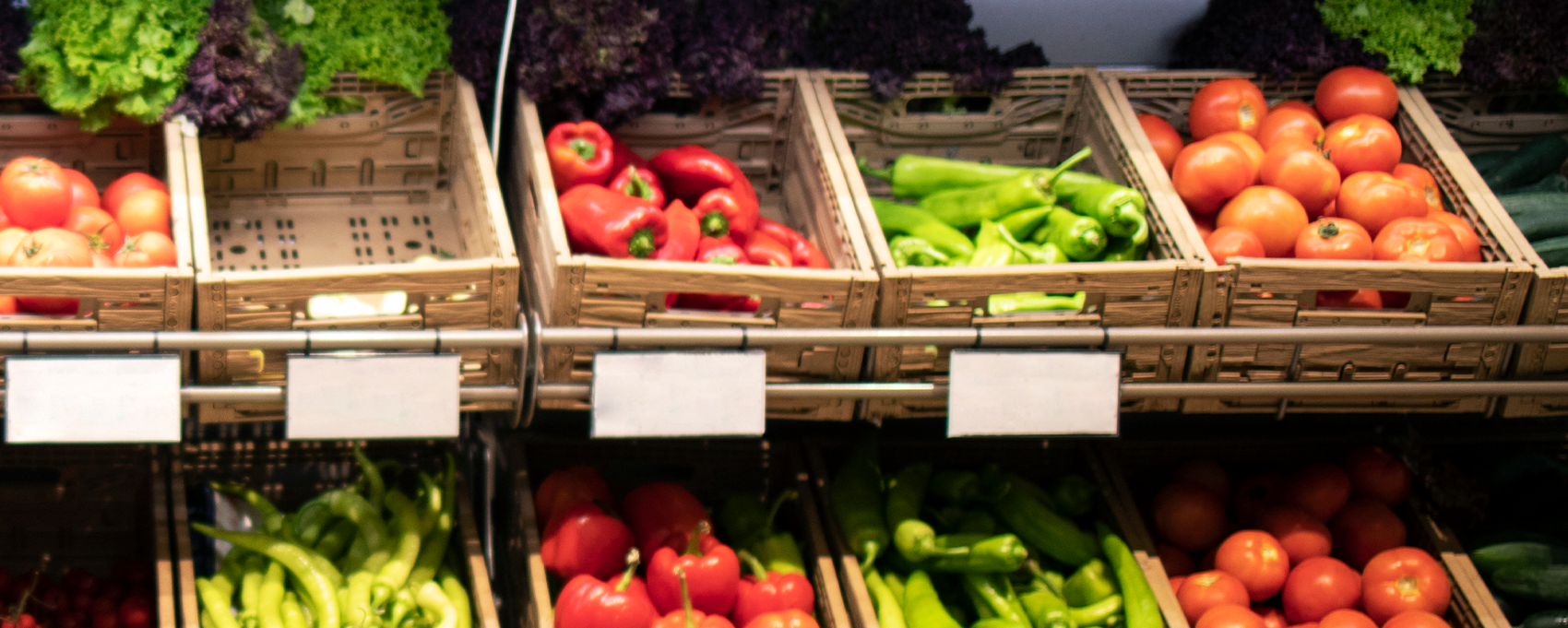
ONE OF OUR MOST valued commitments is in providing food security, knowing it can be challenging to obtain nutritious food amidst the busy schedules and scarce resources many students have in college. Here are some ways students can supplement their nutritional needs allowing them to focus more fully on their academic endeavors.


